SEC and Japan FSA Deepen Cross-Border Market Oversight
The SEC and Japan's FSA met in Tokyo on Oct. 19, 2026, to discuss market developments, public and private markets, asset management and innovation priorities.
Summary
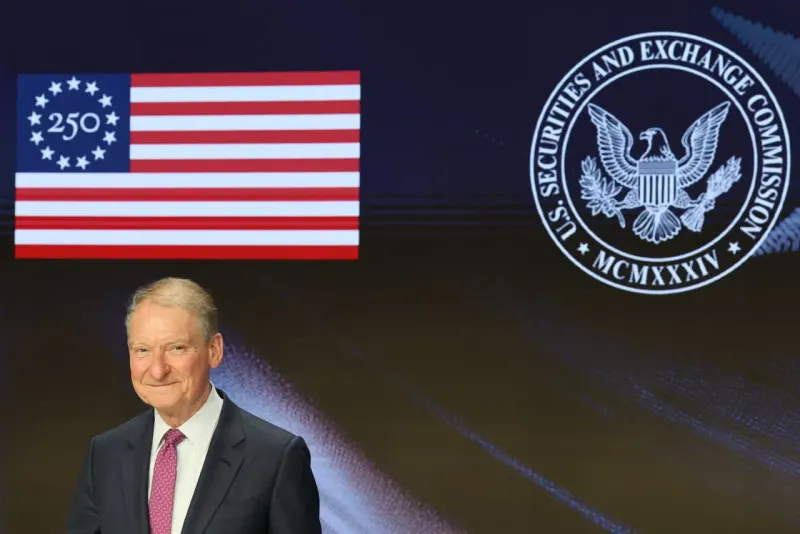
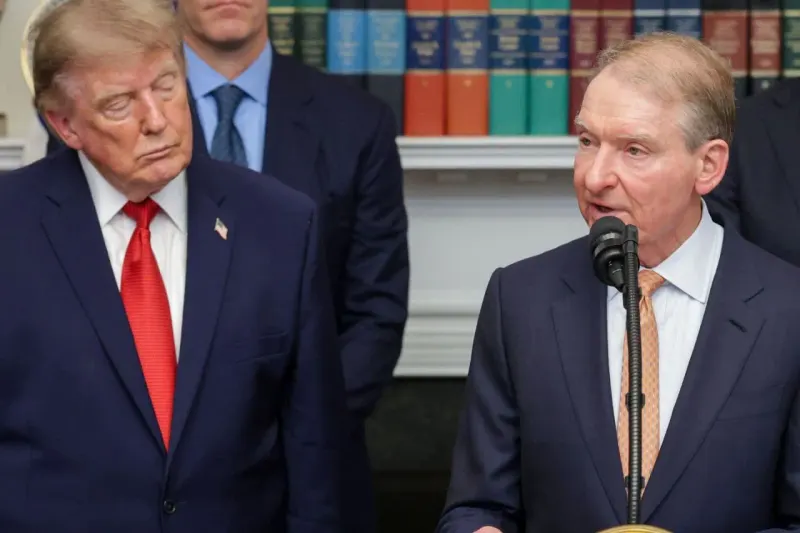
SEC press release 2026-107, issued and last updated Oct. 20, 2026, said the SEC and Japan’s Financial Services Agency convened their Autumn Financial Regulatory Dialogue in Tokyo on Oct. 19. SEC Commissioner Mark T. Uyeda and FSA Vice Minister for International Affairs Miyoshi Toshiyuki led the respective delegations. The agencies framed the meeting as an extension of longstanding cross-border cooperation focused on investor protection and sound, trusted capital markets.
Participants reviewed recent market developments and each authority’s strategic priorities, exchanging views on regulatory and supervisory issues involving private and public markets, asset management and innovation. Uyeda called the relationship one of the SEC’s most successful and longstanding, while Miyoshi said significant capital-market change made deeper mutual understanding valuable. No agreements, rule changes or issue-specific conclusions were announced. The next SEC-FSA Dialogue is scheduled for Washington, D.C., in spring 2027.
Positives
- The Oct. 19 Tokyo dialogue continued longstanding SEC and FSA coordination on cross-border financial regulation and investor protection.
- Participants covered recent market developments, strategic priorities, public and private markets, asset management, and innovation.
- A spring 2027 Washington, D.C., meeting is already scheduled, establishing the next formal coordination point.
Risks & concerns
- The Oct. 20 release announced no agreements, rule changes, supervisory actions, or issue-specific conclusions from the dialogue.
- The agencies supplied no market data, implementation timelines, or details about how discussed priorities could affect regulated firms or investors.
- Miyoshi cited significant change around capital markets, but the release did not identify those changes or associated regulatory responses.