Jet Fuel Near Wartime Highs as Hormuz Shock Squeezes Refineries
Jet-fuel prices approach highs since the U.S.-Iran war began as the Hormuz stalemate squeezes refineries, threatening airlines and travelers with higher costs.

Summary
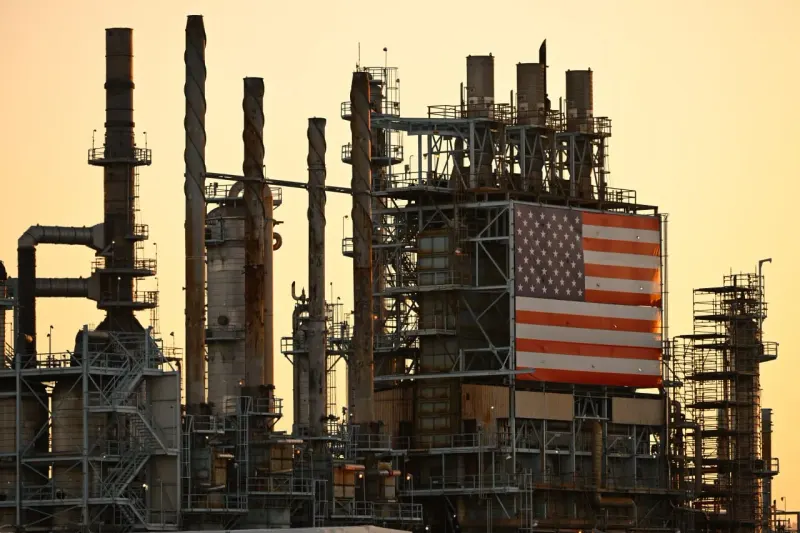
Jet-fuel prices hovered near their highest levels since the U.S.-Iran war began, making aviation fuel the latest supply shock tied to the stalemate at the Strait of Hormuz. Squeezed refineries are struggling to meet global demand for jet fuel and diesel, reviving cost concerns for U.S. airlines and travelers.
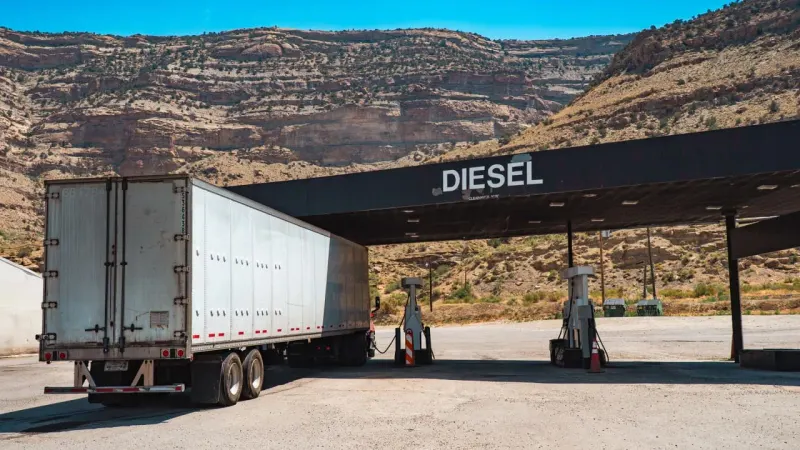
MarketWatch reported on Sept. 22, 2026, that the war and new sources of strife had roiled global markets and driven fuel prices sharply higher. U.S. diesel had climbed well above $6 a gallon on average, with the broader fuel crisis already inflicting economic pain on American consumers.
Positives
- Jet-fuel prices hovered near their highest levels since the U.S.-Iran war began, strengthening the pricing environment for aviation-fuel suppliers.
- Global markets remained hungry for diesel and jet fuel, signaling robust demand for both refinery products.
- U.S. diesel averaged well above $6 a gallon, confirming elevated refined-fuel pricing extended beyond aviation.
Risks & concerns
- The Strait of Hormuz stalemate has produced another fuel supply shock, now reaching aviation markets.
- Squeezed refineries are struggling to supply strong global demand for diesel and jet fuel simultaneously.
- Near-wartime-high jet-fuel prices threaten higher operating costs for U.S. airlines and increased expenses for travelers.
- U.S. diesel prices above $6 a gallon on average are already inflicting economic pain on American consumers.
- The U.S.-Iran war and additional sources of strife have roiled global markets and intensified fuel inflation.