Nov 11, 2026, 9:42 PMBonds and Interest Rates
Falling Oil Fails to Pull Treasury Yields Lower as Inflation Fears Broaden
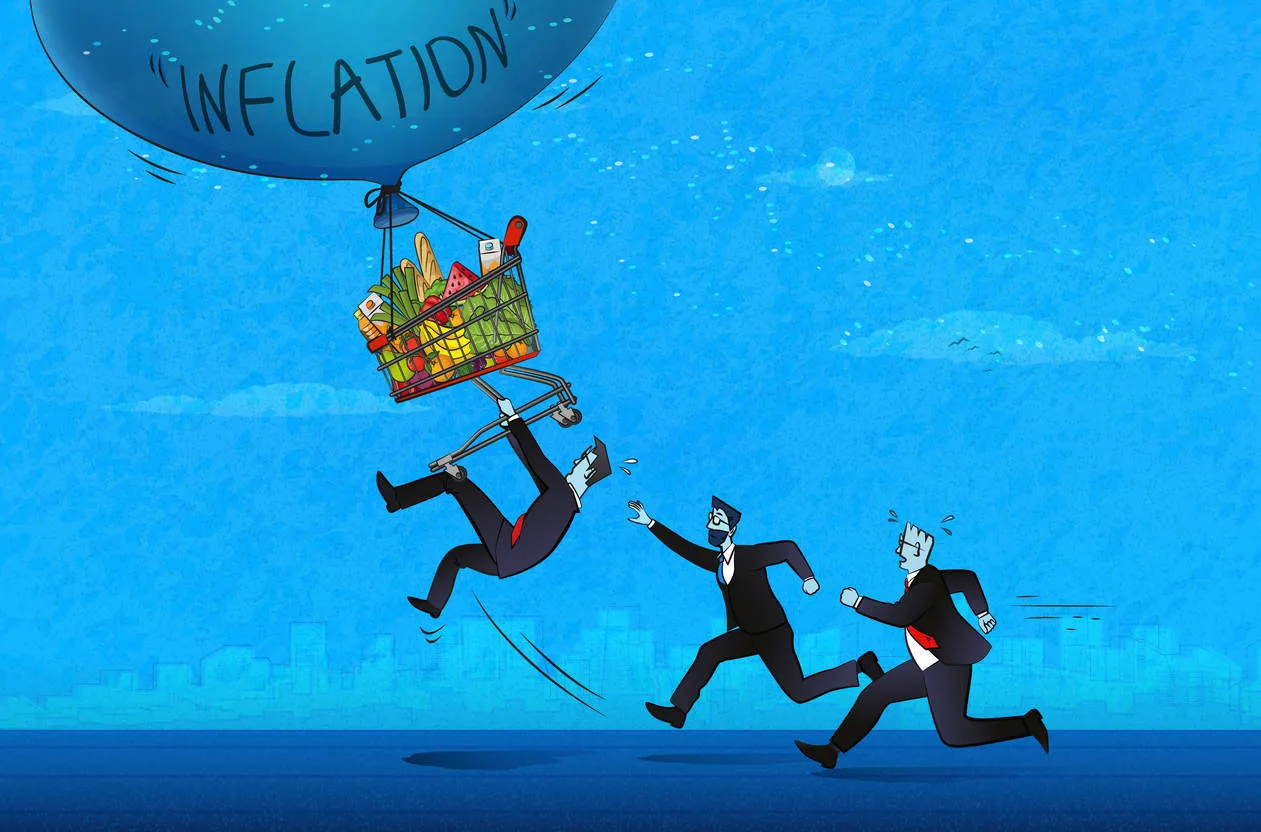
Falling oil prices no longer pull Treasury yields lower, signaling that U.S. bond-market inflation fears have spread beyond the earlier energy-price shock.
Listen to this briefingAudio briefing
Summary
MarketWatch reported on November 11, 2026, that the previously tight trading relationship between oil prices and Treasury yields has broken down. Falling oil is no longer sufficient to reduce yields and associated borrowing costs in the Treasury market.
The divergence signals that inflation concerns now extend beyond the energy shock, weakening oil’s usefulness as a guide to bond-market rates. The limited feed summary provided no yield levels, oil benchmarks, time period, catalysts, or outlook for what happens next.
Positives
- Oil prices are falling, easing the energy-side pressure associated with the earlier shock.
- The divergence clarifies that persistent Treasury yields can no longer be explained by oil prices alone.
- The broken relationship distinguishes broader inflation concerns from energy moves, sharpening the risk signal for bond investors.
Risks & concerns
- Falling oil prices are no longer sufficient to lower Treasury yields and borrowing costs.
- The formerly tight trading relationship between oil and Treasury yields has broken down.
- Inflation concerns have spread beyond energy, suggesting broader forces are supporting borrowing costs.
- The limited feed disclosed no yield levels, oil benchmarks, catalysts, or timeline for the divergence.
Primary sourceMarketWatch.com - Top Storieshttps://www.marketwatch.com/story/falling-oil-prices-are-no-longer-enough-to-bring-down-borrowing-costs-in-the-worlds-most-important-bond-market-3176d25a?mod=mw_rss_topstories
Read full article